Some clutter is hard to part with, but a surprising amount is not. Expired, broken, duplicate, and long-forgotten items take up space in almost every room, and most can leave today with no downside tomorrow. This list of things to declutter today covers 50 of them, room by room.
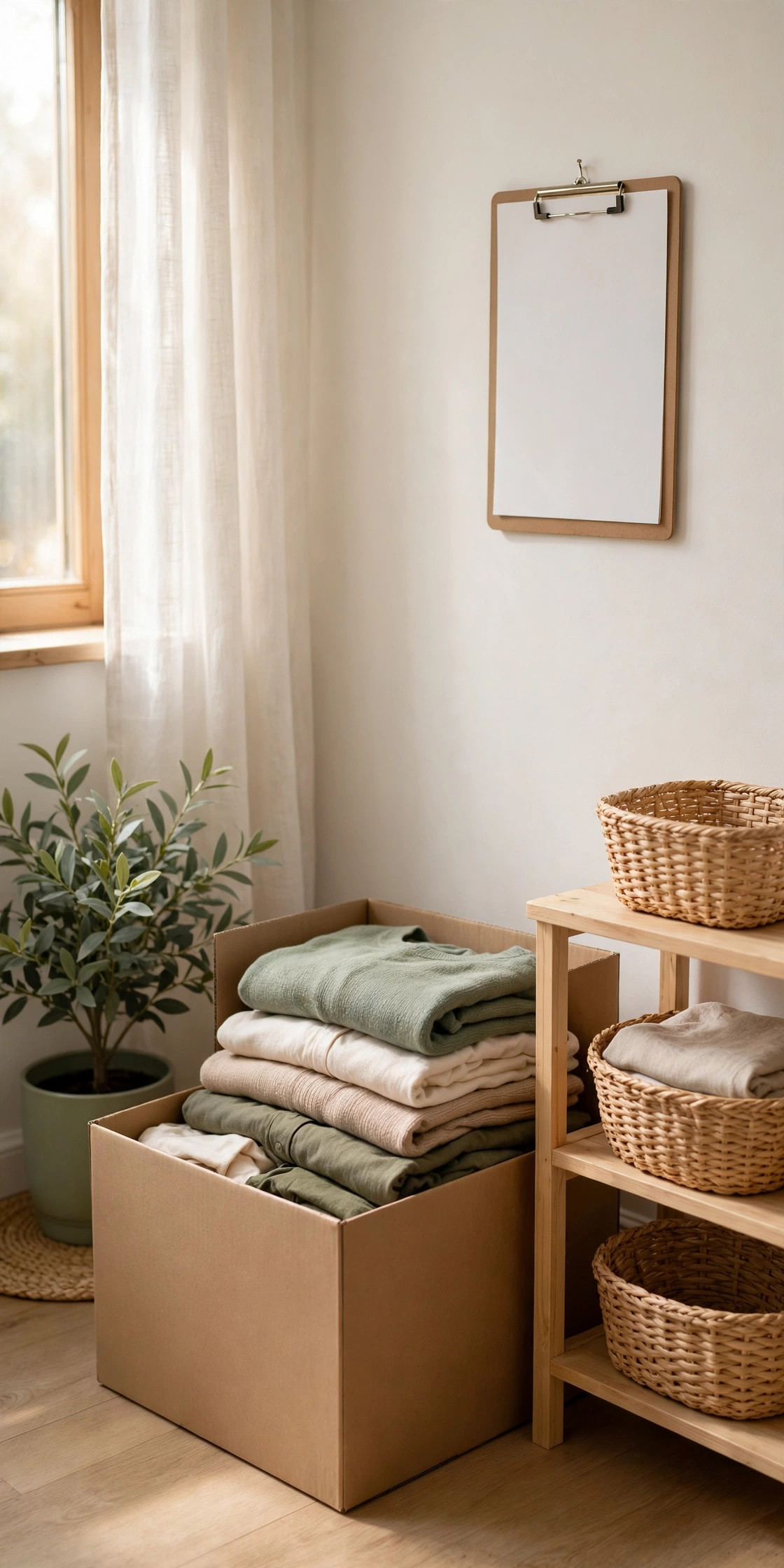
Work through one room at a time with a trash bag and a donation box nearby. Anything still usable goes in the box, anything worn out or expired goes in the bag, and recycling takes the rest.
1. Kitchen Declutter: Items 1–12
1. Expired spices. Flavor fades with age, so toss them and recycle the jars.
2. Expired pantry items. Check dates on grains, oils, and cans, and bin anything past its date.
3. Duplicate utensils. Keep the one in best shape and donate the extras.
4. Chipped mugs. Chips harbor grime and can cut, so recycle or toss them.
5. Cracked plastic containers. Cracks stain and warp, so send them to recycling where accepted.
6. Lids without containers. A lid with no matching base is just clutter, so recycle it.
7. Single-use gadgets. If a one-job tool has sat untouched for a year, donate it.
8. Takeout packets. Keep a small handful of sauces and utensils, and toss the overflow.
9. Old sponges. A worn, sour-smelling sponge belongs in the trash, not by the sink.
10. Warped baking pans. Pans that wobble or rust bake unevenly, so recycle or replace them.
11. Freezer-burned food. Frost-covered packages past their prime can go straight into the trash.
12. Extra tumblers and bottles. Keep one or two per person and donate the rest.
2. Bathroom Declutter: Items 13–22
13. Expired medicine. Take it to a local pharmacy take-back point instead of keeping it.
14. Expired sunscreen. Old sunscreen may protect less, so replace it and toss the tube.
15. Dried-out nail polish. Polish that is thick or separated will not apply well, so bin it.
16. Old makeup. Products past their printed shelf life should go in the trash.
17. Hotel mini toiletries. Minis that never get used can be donated unopened or tossed.
18. Empty product bottles. Bottles kept just in case usually stay empty, so recycle them.
19. Hair products that missed. If a product did not work, donate unopened extras or toss it.
20. Broken hair clips and ties. Stretched ties and cracked clips no longer hold, so throw them out.
21. Surplus worn towels. Send extras to textile recycling or cut a few into cleaning rags.
22. Old spare toothbrushes. Brushes kept long past replacement help no one, so bin them.
3. Bedroom and Closet Declutter: Items 23–34
23. Clothes that no longer fit. Donate pieces in good shape and free the hanger space today.
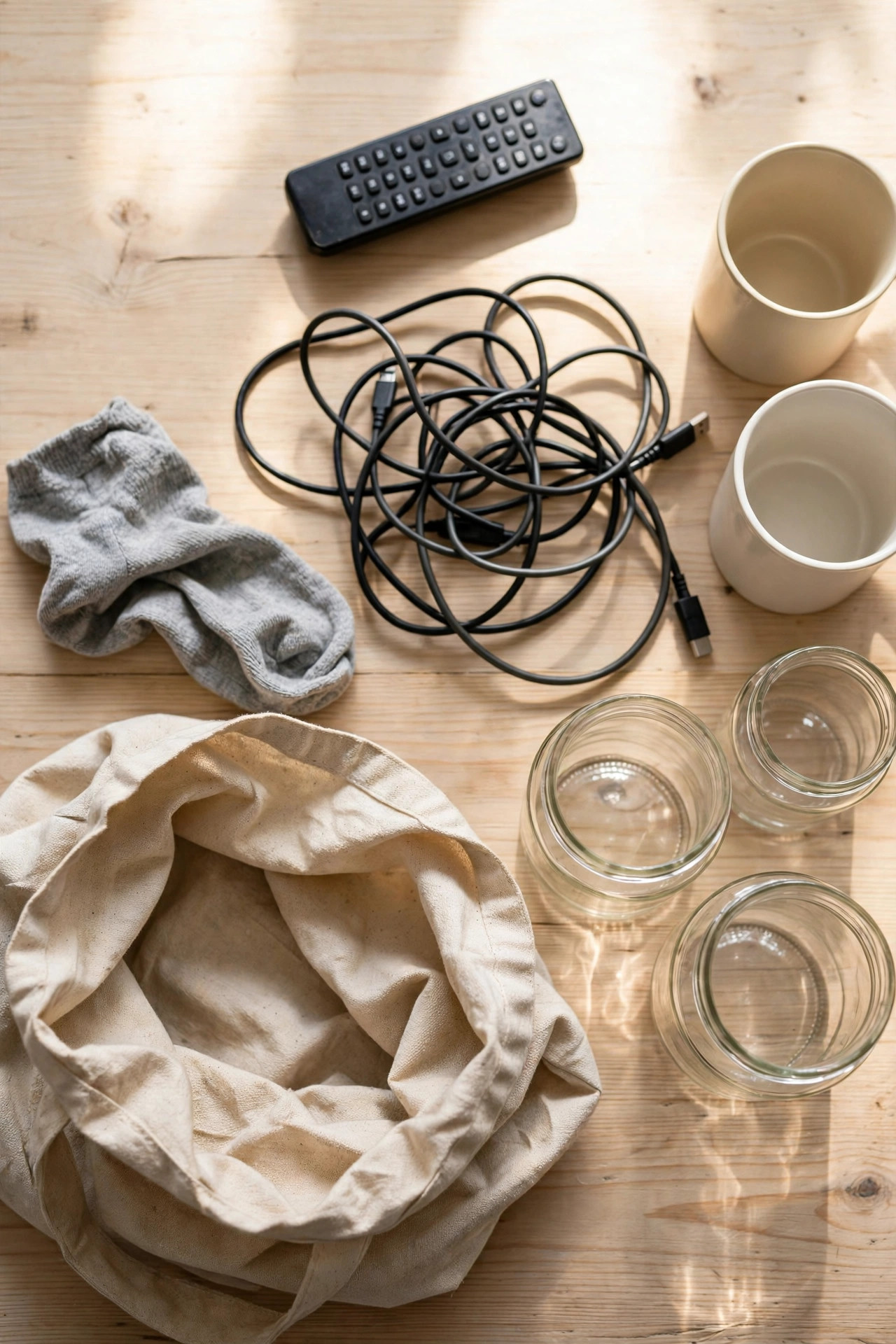
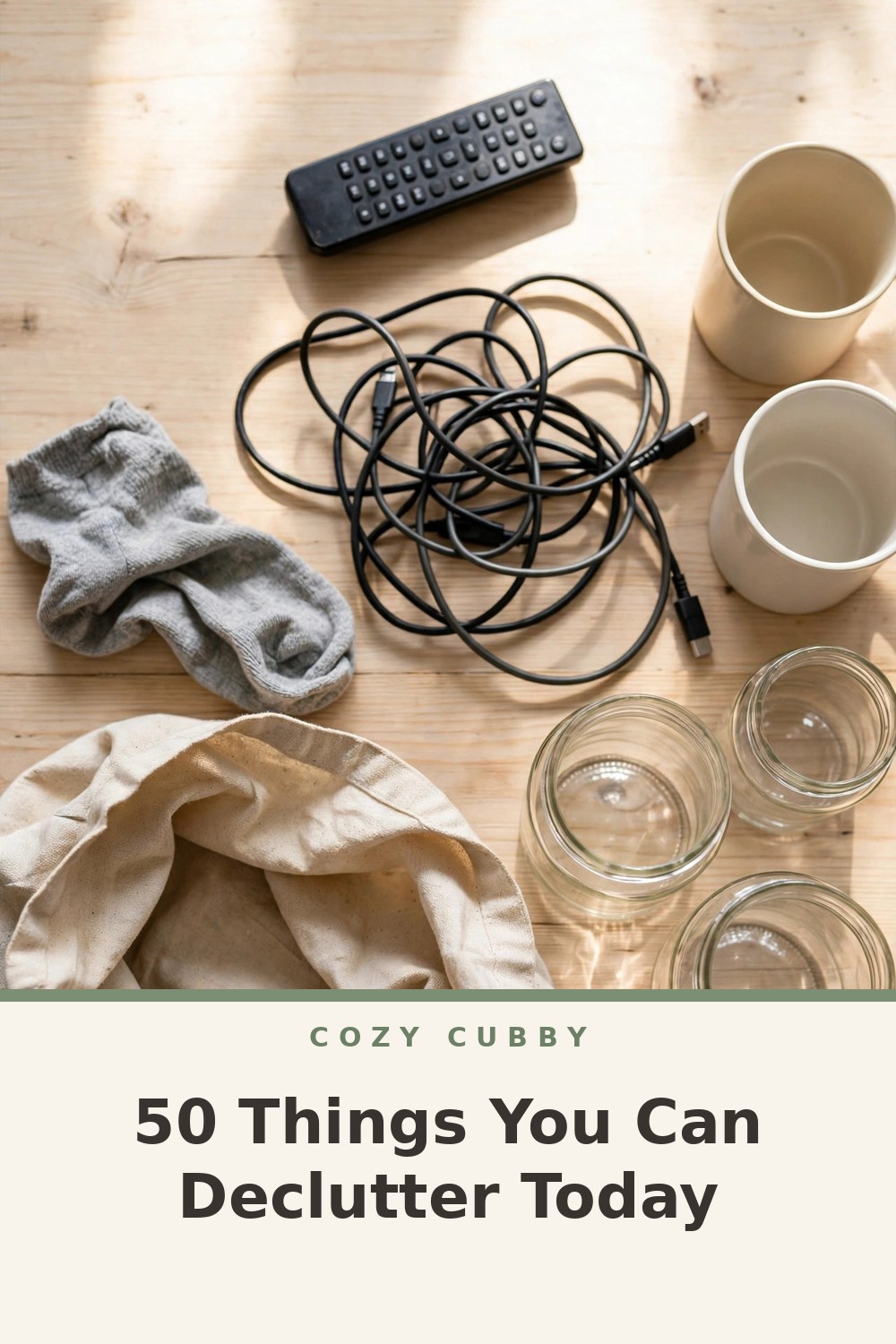
24. Single socks. A sock without its match after laundry day can finally go.
25. Socks and underwear with holes. Worn-through basics are trash, not backup clothing, so toss them.
26. Wire dry-cleaner hangers. Thin wire bends and snags, so return or recycle the bundle.
27. Worn-out shoes. Soles worn smooth or split cannot be fixed cheaply, so bin them.
28. Shoes that never get worn. Pairs untouched for a full year can be donated in good condition.
29. Stained house-only shirts. One or two are plenty, so retire the stained extras.
30. Pilled sweaters. If pilling and fading survive a wash, let the sweater go.
31. Empty shoe boxes. Boxes for shoes already in rotation take shelf space, so recycle them.
32. Broken bags and belts. If the strap or buckle is broken and unrepaired, let it go.
33. Single earrings and broken jewelry. One earring and a snapped chain form no set, so recycle or toss.
34. Faded or torn sheet sets. Keep two sound sets per bed and recycle the worn extras.
4. Living Room and Entry Declutter: Items 35–43
35. Dead batteries. Take them to a battery recycling point rather than a drawer.
36. Old remotes. A remote with no matching device can go to e-waste recycling.
37. Discs with no player. If no player remains in the home, the discs can go.
38. Games with missing pieces. A game missing key pieces rarely gets played, so donate or toss it.
39. Burned-down candle jars. Jars with a stub of wax left can be cleaned and recycled.
40. Extra vases. Keep the sizes in regular use and donate the duplicates.
41. Old magazines. Issues older than a season can go straight into recycling.
42. Broken toys. Toys with cracks or missing parts are clutter, not playthings, so bin them.
43. Mystery keys. Keys that fit no lock in the home can go to metal recycling.
5. Paper and Digital-Adjacent Declutter: Items 44–50
44. Expired coupons. Out-of-date coupons and flyers belong in the recycling bin today.
45. Old receipts. Receipts past return and warranty windows can be shredded and recycled.
46. Junk mail pile. Flyers and offers lose value fast, so recycle the whole stack.
47. Manuals for discarded items. A manual for an appliance long gone can go into recycling.
48. Frayed charging cables. Damaged cords charge poorly and can be unsafe, so use e-waste drop-off.
49. Broken earbuds. One-sided or silent earbuds will not be repaired, so recycle them as e-waste.
50. Last year's calendars. Old calendars and planners have served their purpose, so recycle them.
What to Buy
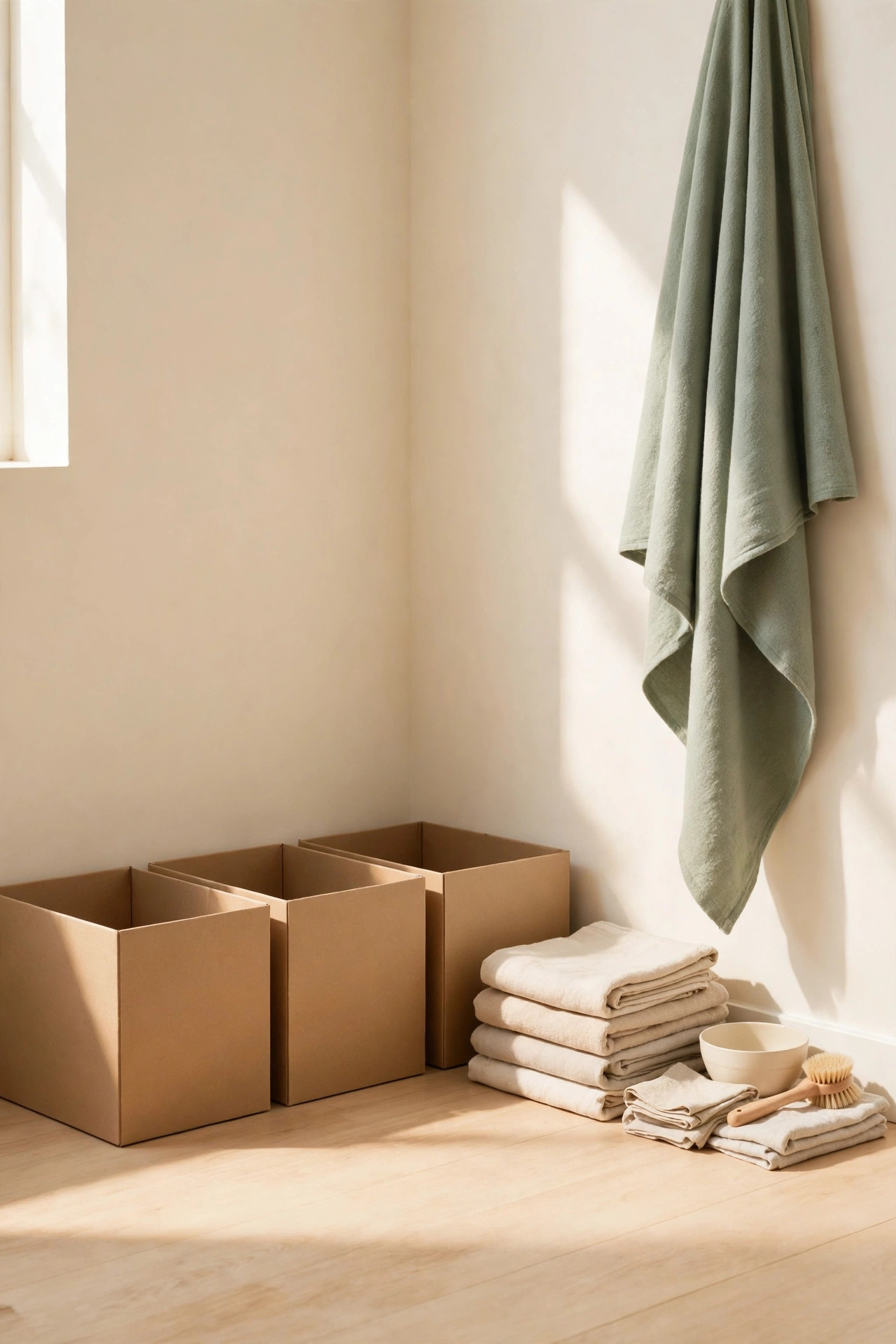
Fabric folding bins, 3-pack give donations and keepers a tidy holding spot while sorting, and fold flat afterward. The trade-off is soft sides, which suit clothes and linens better than heavy items. Typically $20–$30.
Clear drawer bins set helps sort the small keepers — spare batteries, clips, and cords — so they stop drifting loose in drawers. Skip if drawers are very shallow, since stacked trays may not fit. Typically $10–$16.
Foldable laundry basket works as a carry-all that moves donations from room to car in one trip, then folds away between sessions. The con is the flexible shape, so loads stay light and unstacked. Typically $12–$18.
Mistakes to Avoid
- Starting in every room at once and finishing none of them.
- Keeping worn-out items because they once cost a lot.
- Buying bins before sorting, then organizing clutter instead of removing it.
- Moving filled bags to the garage instead of taking donations out promptly.
- Saving items for a yard sale that never gets scheduled.
Frequently Asked Questions
Where should a first decluttering session start?
Start in the kitchen, where expired food and duplicate tools need almost no decision-making. Clearing one shelf first builds a simple pattern — bag, box, recycle — for every other room.
What should happen to items that are still usable?
Donate wearable clothes, unopened toiletries, and working gadgets in good condition. Keep one donation box by the door, and drop it off within the week so items do not drift back.
How long does the full 50-item list take?
Most items need only a date check or a quick look at their condition, so one room fits a short session. Work through one room at a time and spread the full list across a weekend rather than forcing a single long day.
What about items someone else in the home uses?
Stick to personal items, expired goods, and clearly broken things when sorting solo. For shared items in good condition, set them in the donation box and check with the household before the box leaves the home.
None of these 50 items needs a long decision, which makes them a good first sweep. Finish one room, take the bags out the same day, and enjoy the cleared space. Save this post to your decluttering board on Pinterest, so the full list is ready when the next room gets its turn.