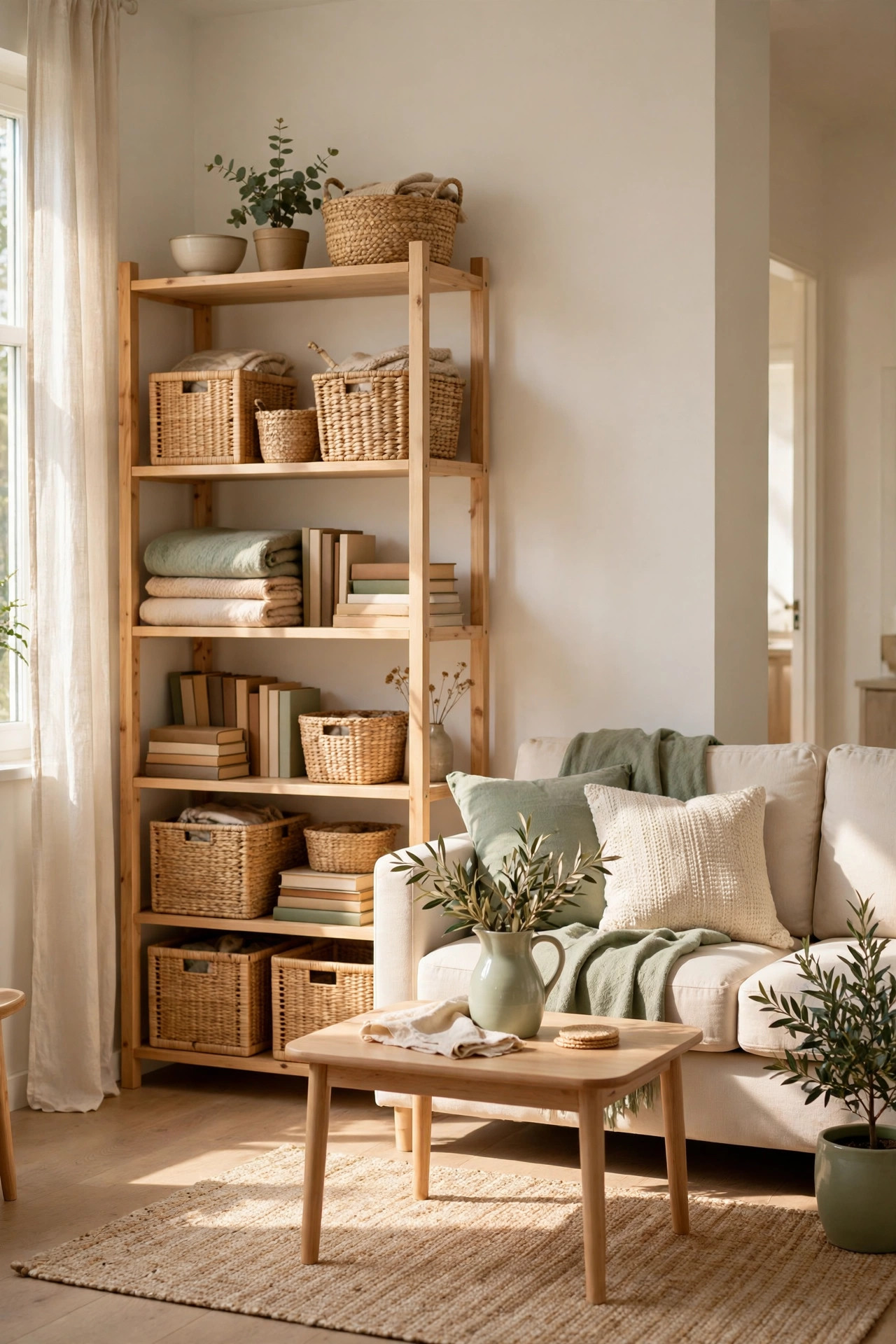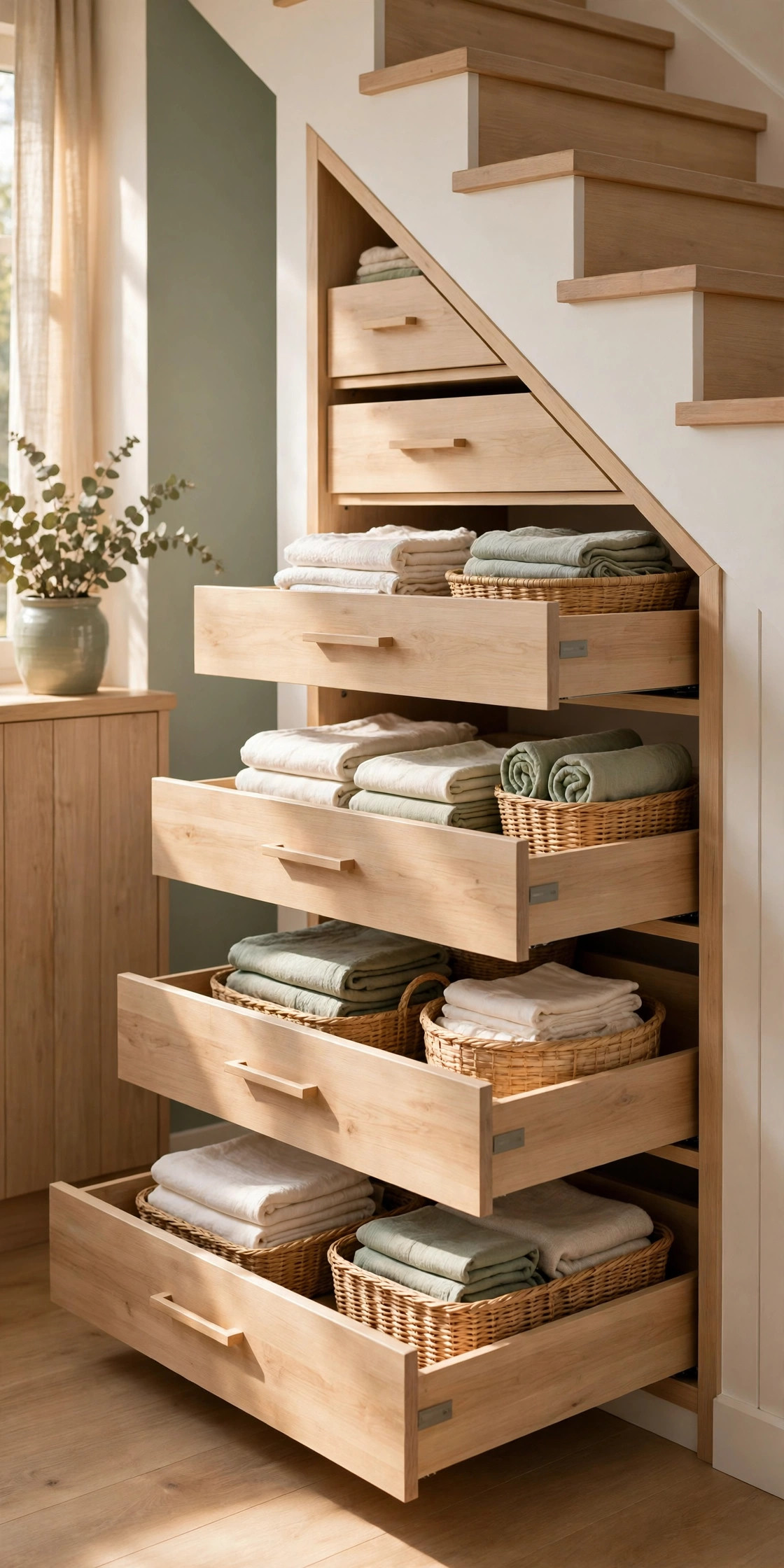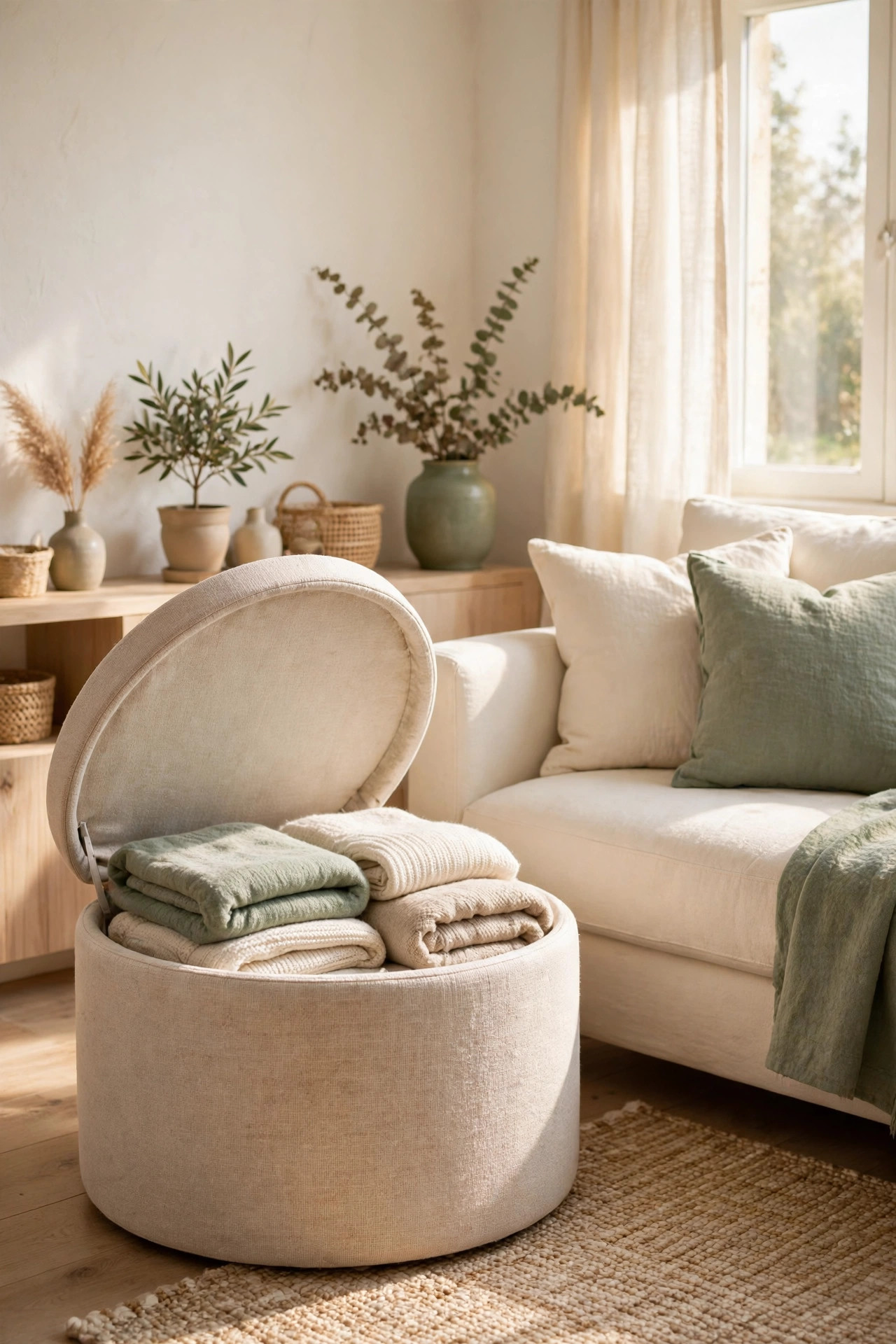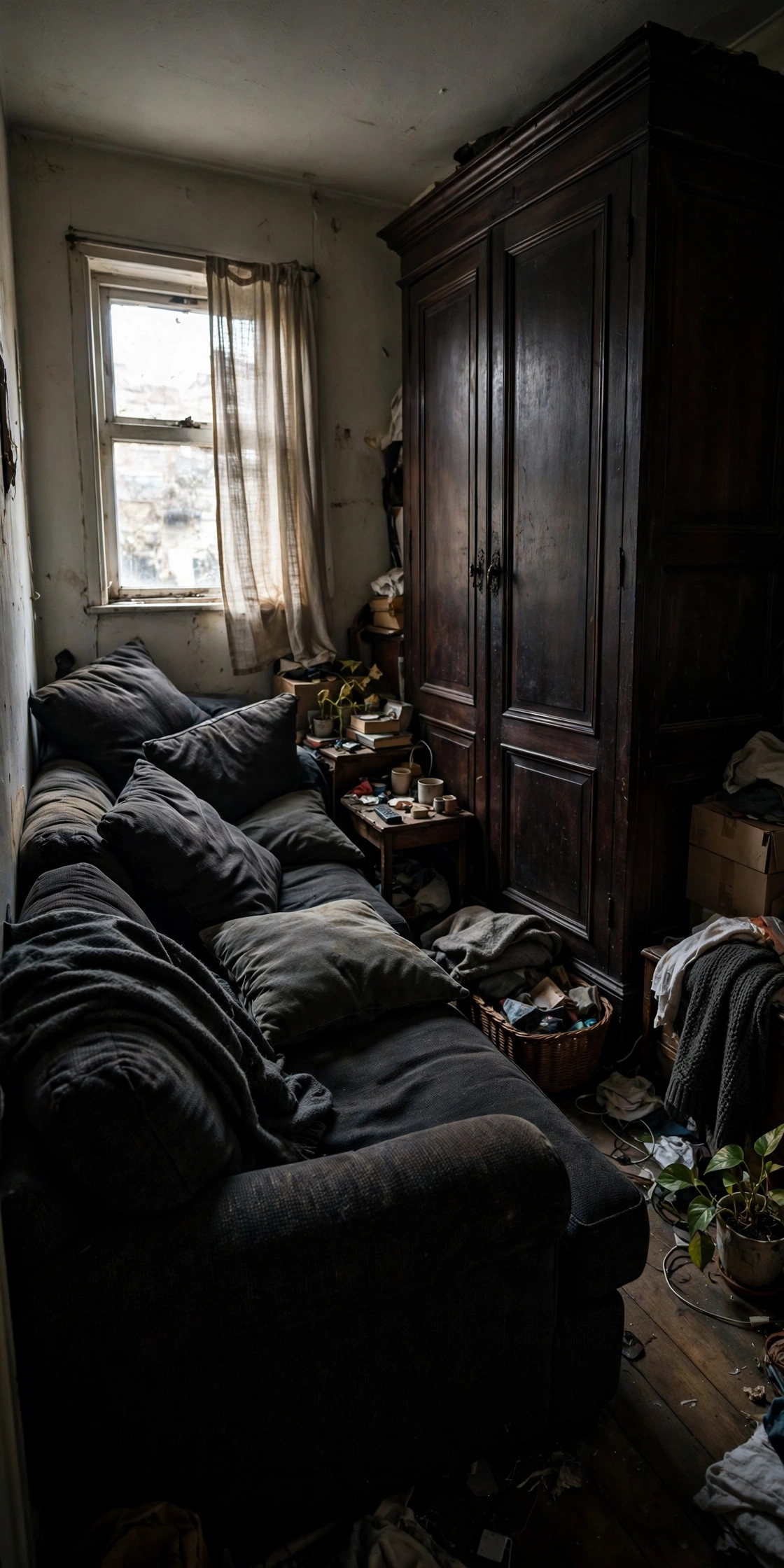
An organized home can still feel cramped. The shelves are full, the bins are lined up, and yet every room feels smaller than it should. In most cases, the problem is not the amount of stuff. It is a handful of small space storage mistakes that waste inches, hide items, and fight the way a room is actually used.
Each mistake below comes with a fix that takes 15 to 45 minutes and needs little or no new gear. Work through one section at a time, measure before buying anything, and keep only the systems that make daily items faster to find and put back.
1. Container Mistakes That Waste Inches
1. Buying bins before measuring. A bin that is 1 inch too wide turns a 12-inch shelf into dead space on both sides. The fix: measure shelf width, depth, and height in inches first, write the numbers on a phone note, and choose bins that leave no more than 1 inch of total slack.
2. Using one giant bin for everything. A single 20-quart bin for mixed items means digging to the bottom for one small thing, so the lid stays off and clutter spreads. The fix: split the contents into 3 to 4 smaller bins by category, each about 6 by 9 inches, so one bin comes out at a time.
3. Hiding everything in opaque boxes. Solid boxes look calm but hide duplicates, so extra shampoo, batteries, and tape get bought again. The fix: switch food, cleaning, and back-stock items to clear bins, and keep opaque or fabric bins only for visual areas like open living room shelves.
2. Layout Mistakes That Shrink the Room
4. Pushing all storage to floor level. Low, wide furniture eats floor space while the wall above 5 feet sits empty, which makes a room feel packed at eye level. The fix: move one category up, such as books or spare linens, onto shelves or risers between 5 and 7 feet high, and clear at least 2 feet of floor.
5. Blocking windows and walkways. A cart or tower in front of a window cuts light, and storage in a 30-inch walkway makes the whole room feel tight. The fix: keep a clear path of at least 30 to 36 inches through each room, and move tall pieces to solid wall sections away from windows.
6. Matching every container in the house. One bin size rarely fits a bathroom drawer, a kitchen shelf, and a closet at the same time, so half-full bins waste vertical room. The fix: use two or three sizes on purpose, small bins for drawers, medium for shelves, and tall bins only where ceiling height allows stacking.
3. Zoning Mistakes That Create Daily Friction
7. Storing items far from where they are used. Cleaning sprays in a bedroom closet and tape in the kitchen means constant trips, so items get left out instead of put away. The fix: give each room a small home for its own daily items, even a single 8-inch bin, and return borrowed items during a 5-minute evening reset.
8. Giving prime shelves to rare items. Shelves between knee and shoulder height are the easiest to reach, yet they often hold party gear and spare parts used twice a year. The fix: audit one cabinet, move anything used less than monthly above 6 feet or below knee level, and reserve the middle zone for daily items only.
4. Habit Mistakes That Undo Good Systems
9. Skipping labels because it looks organized. Unlabeled bins work for one person and fail for everyone else, so items land in the wrong bin within a week. The fix: add short, plain labels such as Snacks, First Aid, and Cords. Labeling a full kitchen or closet takes about 20 to 30 minutes.
10. Organizing everything in one marathon. Pulling out a whole room at once often ends with piles, no dinner, and bins bought in a rush that do not fit. The fix: work in 30-minute zones, one drawer, shelf, or corner at a time, and live with each finished zone for a few days before expanding it.
What to Buy
8-pack stackable clear organizer bins fix the hidden-duplicate problem in kitchens, bathrooms, and closets, since contents stay visible and the uniform size stacks cleanly. The con is a busy look on open shelves, so use them behind doors first. Typically $18–$28.
Fabric folding bins soften open shelves and cube units in living areas, and they fold flat when empty, which suits renters and seasonal storage. Skip if the contents are heavy or wet, since fabric sides flex under loads over about 10 pounds. Typically $20–$30.
Label maker / label system keeps a shared system working after the first week, and one consistent label style across rooms looks calmer than mixed handwriting. The trade-off is the ongoing cost of tape refills, so simple paper labels are a fair budget swap. Typically $20–$35.
Shelf risers turn one tall shelf into two usable levels for mugs, cans, and folded linens, with no tools and about 5 minutes per shelf. Skip if shelf clearance is under 8 inches, since neither level will fit standard items. Typically $15–$25.
Slim rolling cart rescues narrow gaps of 6 to 10 inches beside a fridge, washer, or vanity that fixed shelves cannot use. Skip if floors are thick carpet, since small wheels drag instead of rolling smoothly. Typically $20–$35.
Pro Tips
- Keep a running measurements list on a phone: shelf widths, drawer depths, and gap widths in inches, ready before any purchase.
- Clear one flat surface completely, such as a counter or dresser top, and protect it with a daily-items-only rule.
- Do a 10-minute weekly reset to return stray items before small piles turn into a full reorganization.
- Photograph each finished shelf. A quick photo helps keep the layout the same when items come back from use.
- Add one system at a time and use it for two weeks before buying the next, so only proven fixes stay.
Frequently Asked Questions
Why does an organized home still feel cluttered?
Usually because storage blocks light, crowds walkways, or hides items so surfaces collect the overflow. Fix layout first, then containers. In many rooms, clearing one walkway and one surface changes the feel more than any new bin.
How much storage should a small home have?
A useful test is whether every category fits with about 20 percent of shelf space left open. Completely full shelves leave no room for new items, so clutter lands on counters instead. Leave one shelf or bin partly empty on purpose.
Should all bins in a home match?
No. Matching helps on open shelves where bins are visible, but closets and cabinets work better with two or three sizes fitted to the space. Measure each zone and let fit come before a uniform look.
What is the fastest mistake to fix first?
The zoning mistake takes about 15 minutes: swap one rare item off a prime shelf and move a daily item into that spot. No buying is needed, and the easier reach is felt the same day.
Small homes feel bigger when storage fits the shelves, respects light and walkways, and matches daily habits. Pick two mistakes from this list, fix them this week, and notice how the room feels before buying anything new. Save this post to your home organization board on Pinterest, so the checklist is handy for the next room on the list.