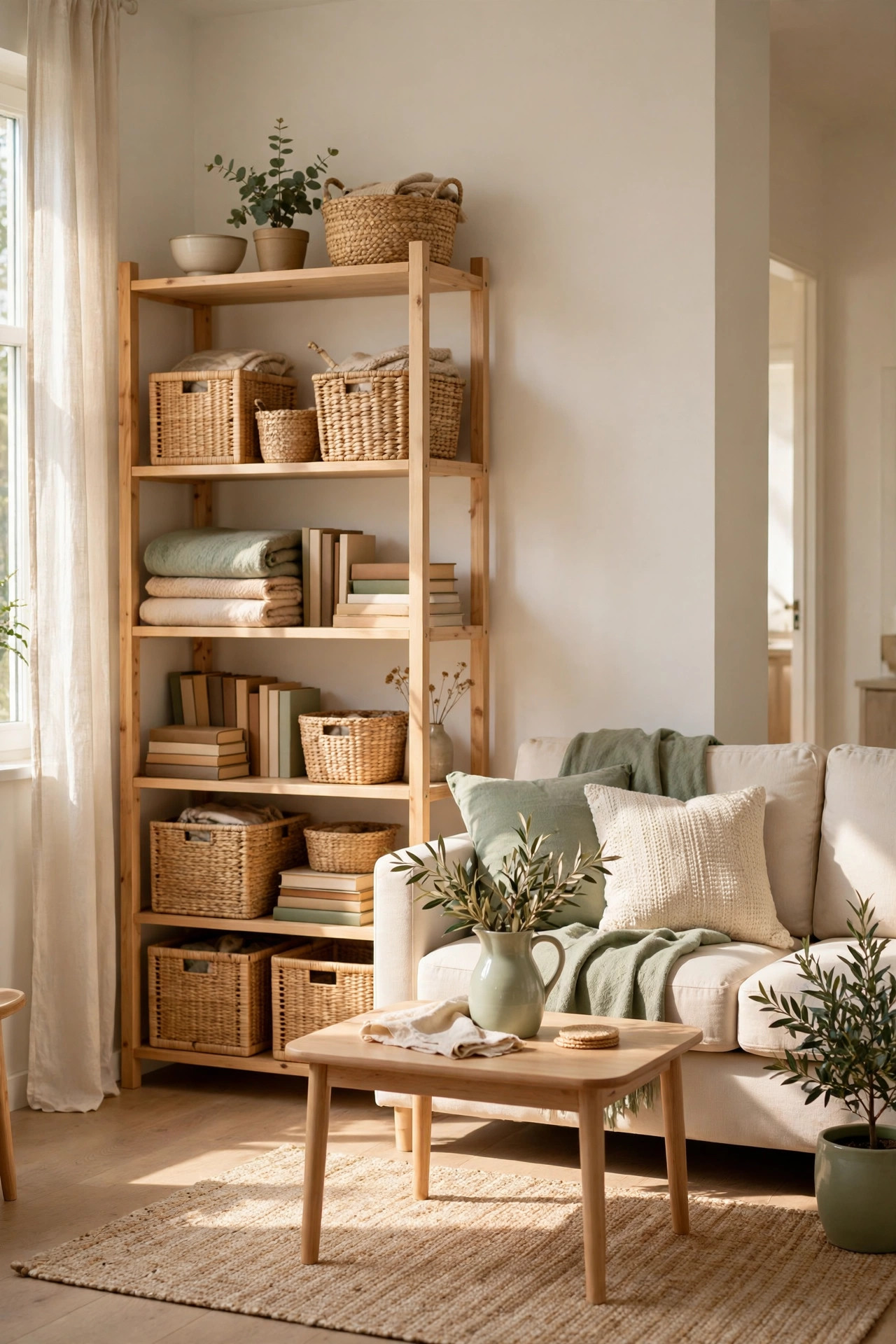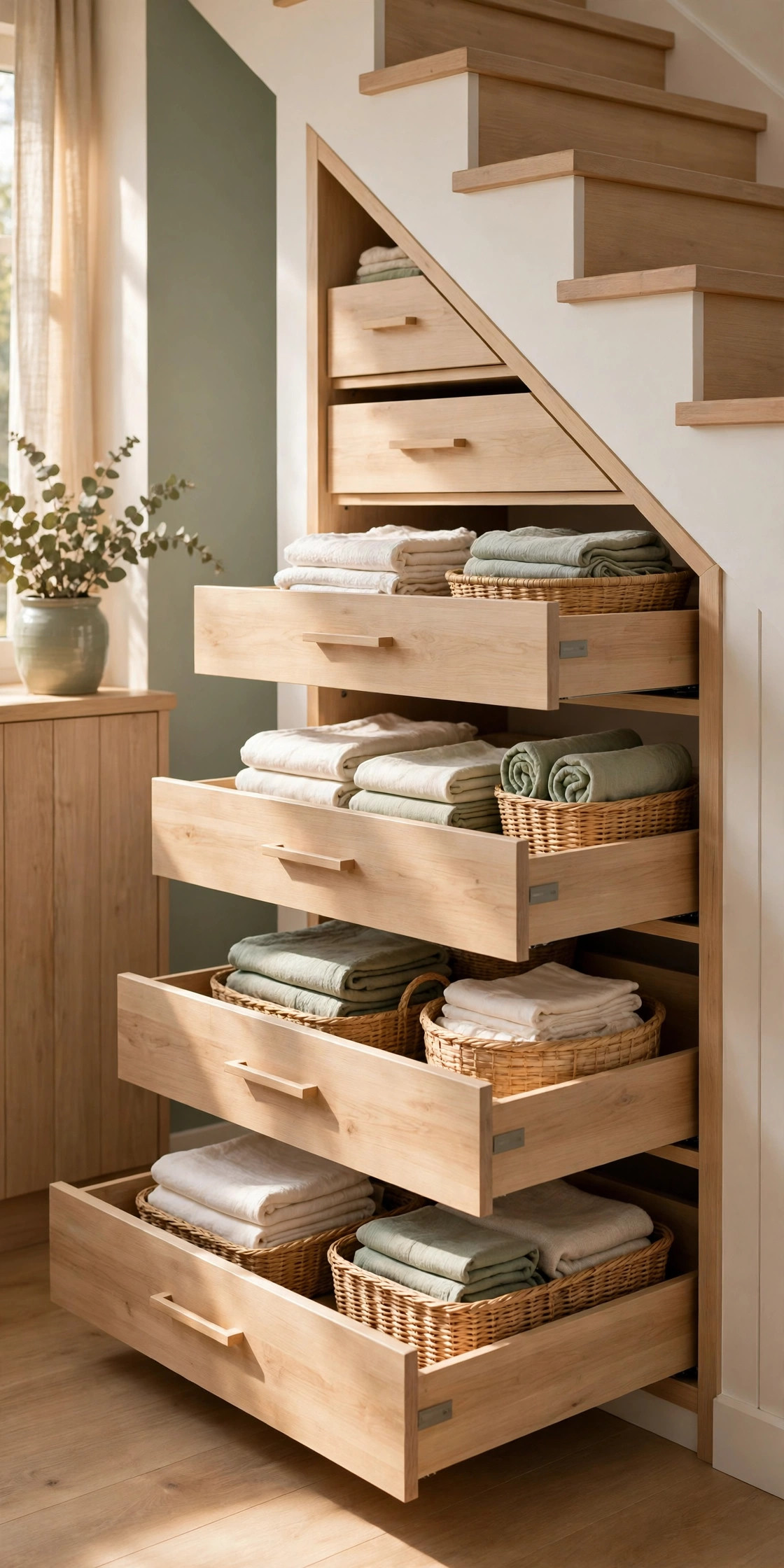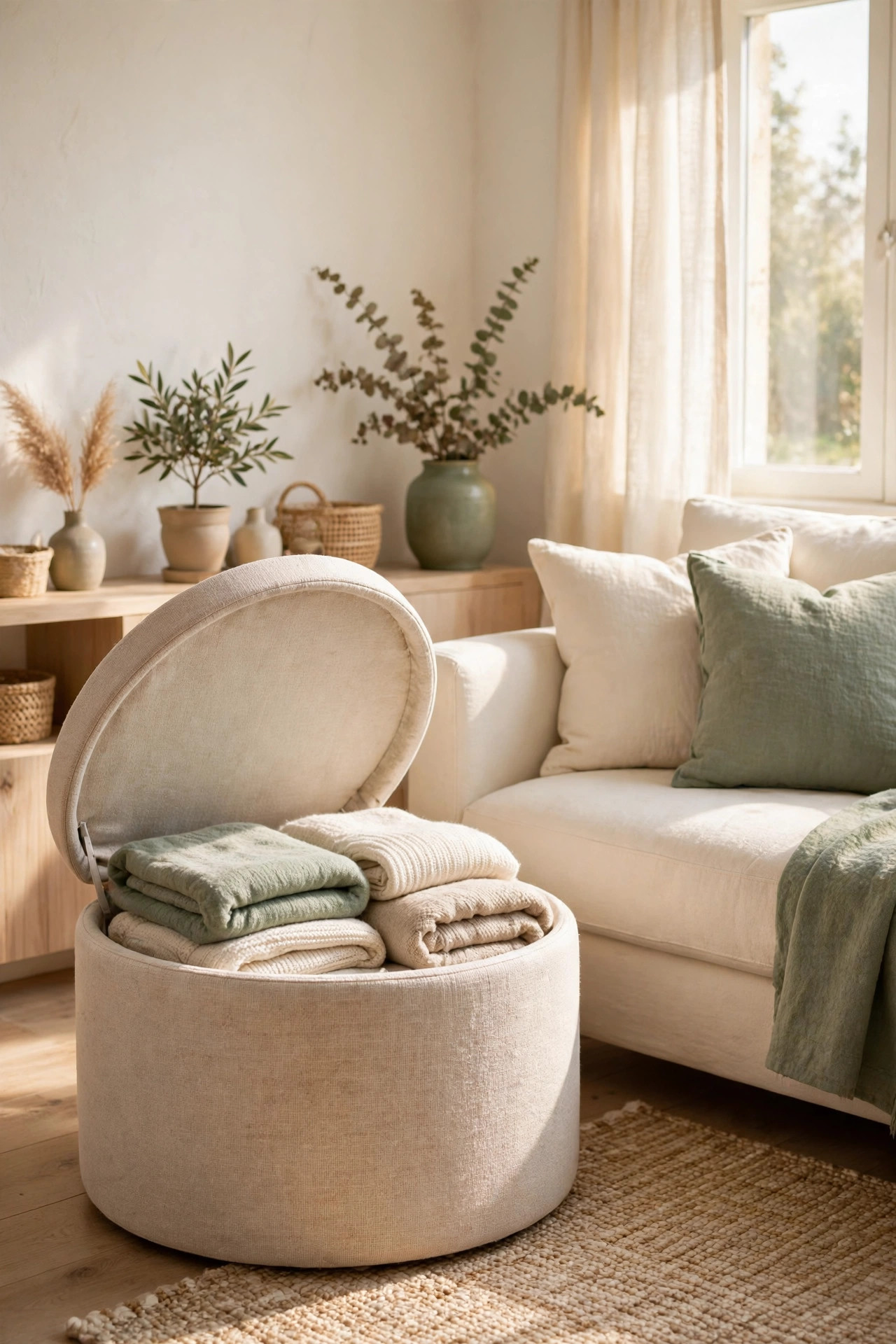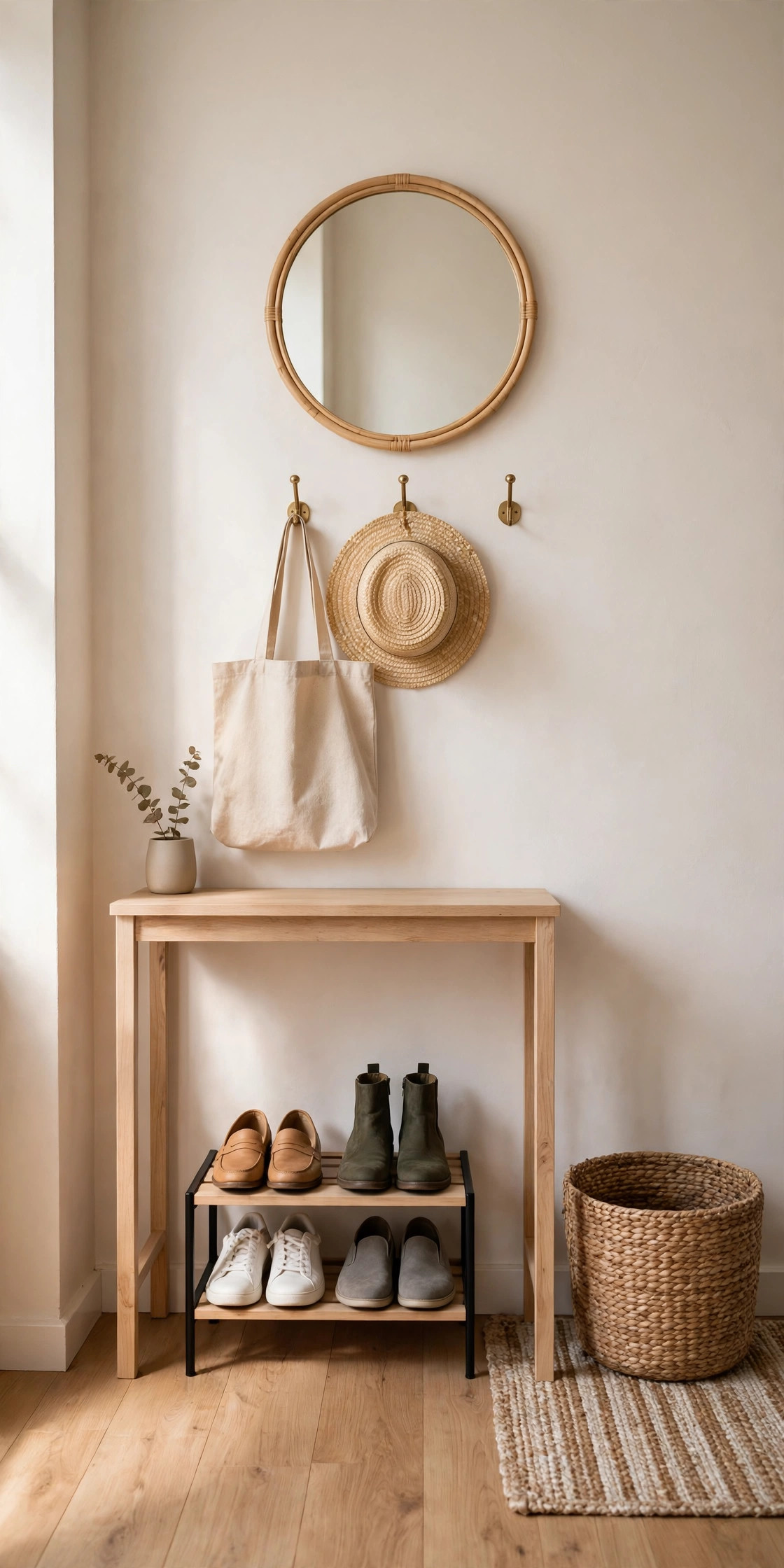
An entry with no mudroom has to do a lot in very little space. Shoes pile up, mail lands on the nearest surface, and coats end up on chair backs. These ideas give every daily item a set spot inside a 3-foot-wide entry.
Work in zones, not all at once. Finish one zone before moving on. Most fixes take 10 to 20 minutes. Measure wall width, door swing, and floor depth in inches first, so nothing blocks the door.
1. Build a Landing Zone for Keys and Mail
1. Mount a key and mail organizer by the door. Place it at eye level, about 48 to 54 inches from the floor, within one step of the door. Keys, sunglasses, and mail land in one spot.
2. Add one small tray for pocket items. A tray about 6 by 9 inches holds a wallet, earbuds, and loose change. Keep it on a shelf under 12 inches deep, so the walkway stays clear.
3. Sort mail the day it arrives. Use two slots, one for bills and one for papers to file. Recycle junk mail at the door. A full sort takes under 2 minutes.
4. Give each person one hook. One hook per person for a daily bag stops hooks turning into a pile. Space hooks about 6 inches apart on a rail 24 to 36 inches long.
5. Add a tiny umbrella and tote spot. A slim bin about 8 inches wide beside the door holds an umbrella and reusable bags. Choose a waterproof base, since wet items drip.
2. Store Shoes Up, Not Out
6. Use a vertical narrow shoe rack. A 7-tier rack about 10 to 12 inches deep holds pairs in height, not width. It fits behind a door or along a short wall.
7. Limit entry shoes to two pairs per person. Keep daily shoes at the door and move extra pairs to a closet. For four people, that cap means 8 pairs at most — one narrow rack can hold them.
8. Slide a flat tray under the bench or rack. A low tray catches dirt and melted snow. Pick one that wipes clean and is at least 2 inches wider than the shoes it holds.
9. Use the back of the closet or entry door. An over-door organizer with clear pockets holds kids shoes, gloves, and hats. Test the door close first, and keep the load light.
10. Add one labeled bin for seasonal footwear. Boots in summer and sandals in winter belong in a bin on a high shelf. One bin about 16 inches long handles most off-season pairs for one person.
3. Hang Coats and Bags on the Wall
11. Install a short hook rail at two heights. Place the top rail near 66 inches for adults and a lower rail near 42 inches for kids. Two short rails hold more than one long rail.
12. Switch to slim hangers inside a small closet. Slim hangers save about 1 inch per 5 coats compared with bulky wooden ones. Keep only current-season coats on the rod.
13. Hang bags vertically on an over-door hook rack. A rack with 5 to 6 hooks holds backpacks, totes, and a leash with no floor space used. Choose wide hooks to protect straps.
14. Corral small gear in foldable fabric bins. One bin each for hats, gloves, and scarves stops the winter pile. Bins about 11 inches square fit most shelves and benches. Add labels.
15. Keep one empty hook for guests. A spare hook stops guest coats landing on the bench or floor. It costs no space and keeps the entry looking planned.
4. Build a 2-Foot Mudroom Corner
16. Start with a washable mat. A mat about 24 by 36 inches marks the corner and catches dirt. Low pile, under 1/2 inch thick, lets the door swing over it.
17. Add a storage ottoman bench. A bench about 24 to 30 inches wide gives a seat for shoes and hides bins inside. Check it supports adult weight before daily use.
18. Mount hooks and a small shelf above the bench. Use the wall up to about 72 inches for hooks, with a shelf above for weekly bins. Nothing sits on the floor except bench and mat.
19. Finish with a weekly 5-minute reset. Once a week, return stray shoes, clear the mail slot, and shake out the mat. Five minutes stops the corner sliding back into a pile.
What to Buy
Wall-mounted key and mail organizer combines hooks, a shelf, and a mail pocket in one unit about 12 to 16 inches wide. Skip if mail volume is high, since one pocket fills fast. Typically $15–$22.
Pine wood entryway organizer with hooks adds 9 hooks plus mail slots and a spot for sunglasses, and the wood finish works as decor too. The trade-off is weight, so use wall anchors. Typically $18–$25.
Vertical narrow 7-tier shoe rack holds multiple pairs in about 1 square foot of floor space. Skip if most footwear is tall boots, since tiers suit shoes best. Typically $25–$40.
Storage ottoman bench works as a seat and hidden storage for bins or hats. The con is soft sides on folding models, so it holds light gear best. Typically $35–$50.
Over-door hook rack adds 5 to 6 hooks in about 2 minutes with no drilling, a strong fit for renters. Skip if the door has very tight trim clearance, since the brackets need a small gap to close well. Typically $12–$22.
Foldable fabric bins with labels give hats and gloves a uniform look on a shelf or in a bench, and fold flat when empty. Keep each bin under about 5 pounds. Typically $20–$28.
Mistakes to Avoid
- Buying a bench or console deeper than 12 to 14 inches, which blocks the walkway and the door swing.
- Keeping every pair of shoes at the door instead of capping it at two pairs per person.
- Mounting hooks without checking for studs or using the right drywall anchors.
- Skipping a mat, so dirt and water spread past the entry into the main room.
- Adding storage with no landing spot for keys and mail, the two items that pile up fastest.
Frequently Asked Questions
How wide does an entry need to be for a bench?
A bench 24 to 30 inches wide and 12 to 15 inches deep fits most small entries. Leave 24 inches of walkway in front, and test the door swing first.
Can renters build a mudroom corner without drilling?
Yes. An over-door hook rack, adhesive hooks within their weight limit, a mat, and a freestanding bench or shoe rack need no holes. Keep heavy coats on the freestanding pieces rather than on adhesive hooks.
How many shoes should stay in a tiny entry?
Two pairs per person is a workable cap for most homes. Everything else stores better in a bedroom closet or a labeled seasonal bin, which keeps the entry rack from overflowing.
What is the first purchase for an entry with no storage?
Start with a key and mail organizer — it fixes the daily pile and costs the least. Add shoe storage second, then a bench.
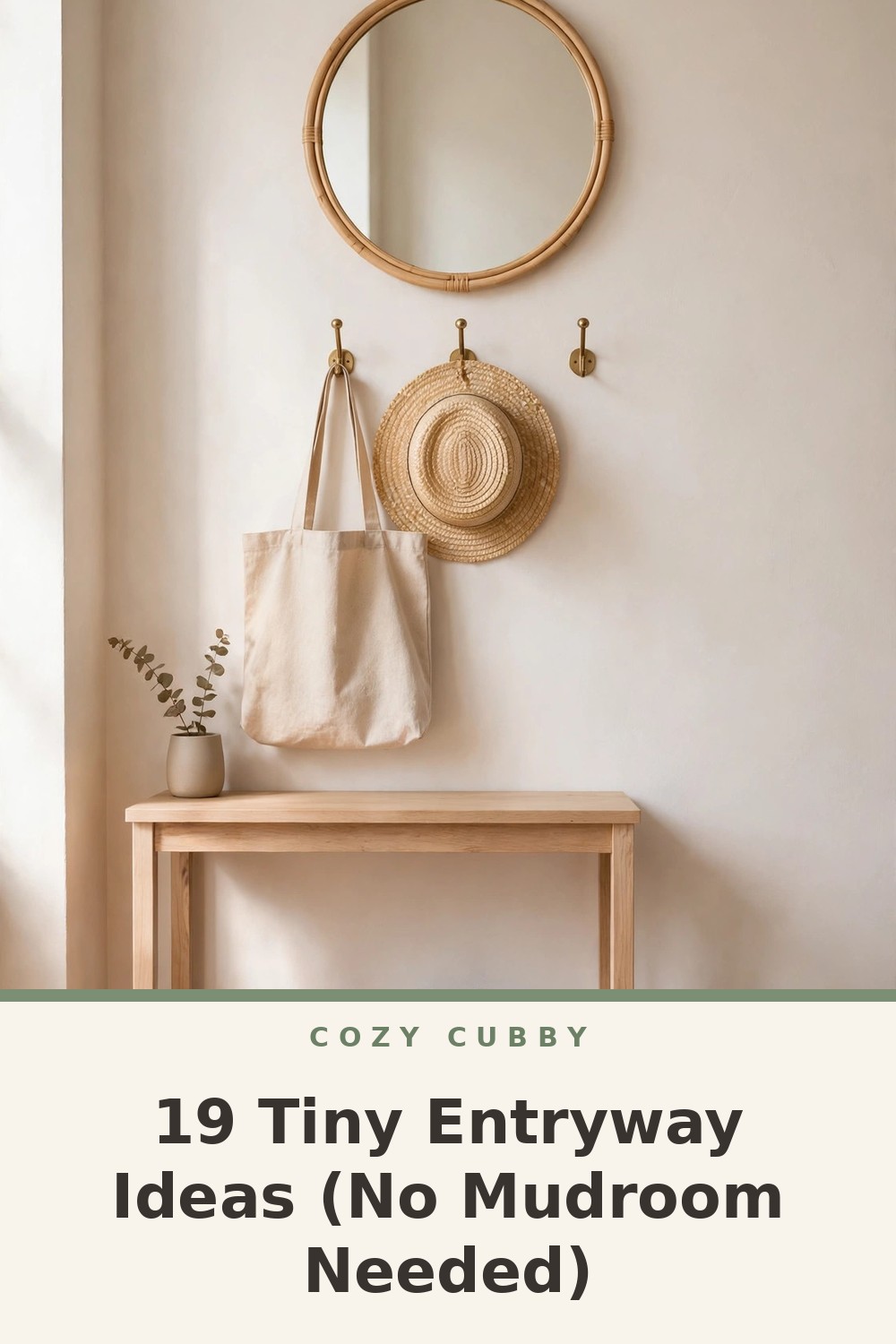
A tiny entry works when shoes, coats, and daily items each have a small, set home and the floor stays clear. Start with the landing zone, measure in inches, and add one zone at a time. Save this post to your entryway board on Pinterest, so the full 19-idea checklist is ready for the next session.