A jumbled drawer of bandages and half-used bottles helps no one during a cut or a fever. A clear first aid and medicine storage system puts every supply in one known place, sorted and labeled. It must be compact, safe for kids, and easy to check.
The goal is simple. Daily medicine stays easy for adults to reach. First aid supplies sit together, ready for quick use. Anything that could harm a child stays locked or out of reach. Setup takes about 30 to 45 minutes, and upkeep is two short checks a year.
1. Pick One Central Spot for First Aid and Medicine Storage
Choose one home base. Pick a single shelf, drawer, or cabinet section, about 12 to 18 inches wide, for all supplies. A linen closet shelf, a kitchen cabinet away from heat, or a dresser drawer can work well.
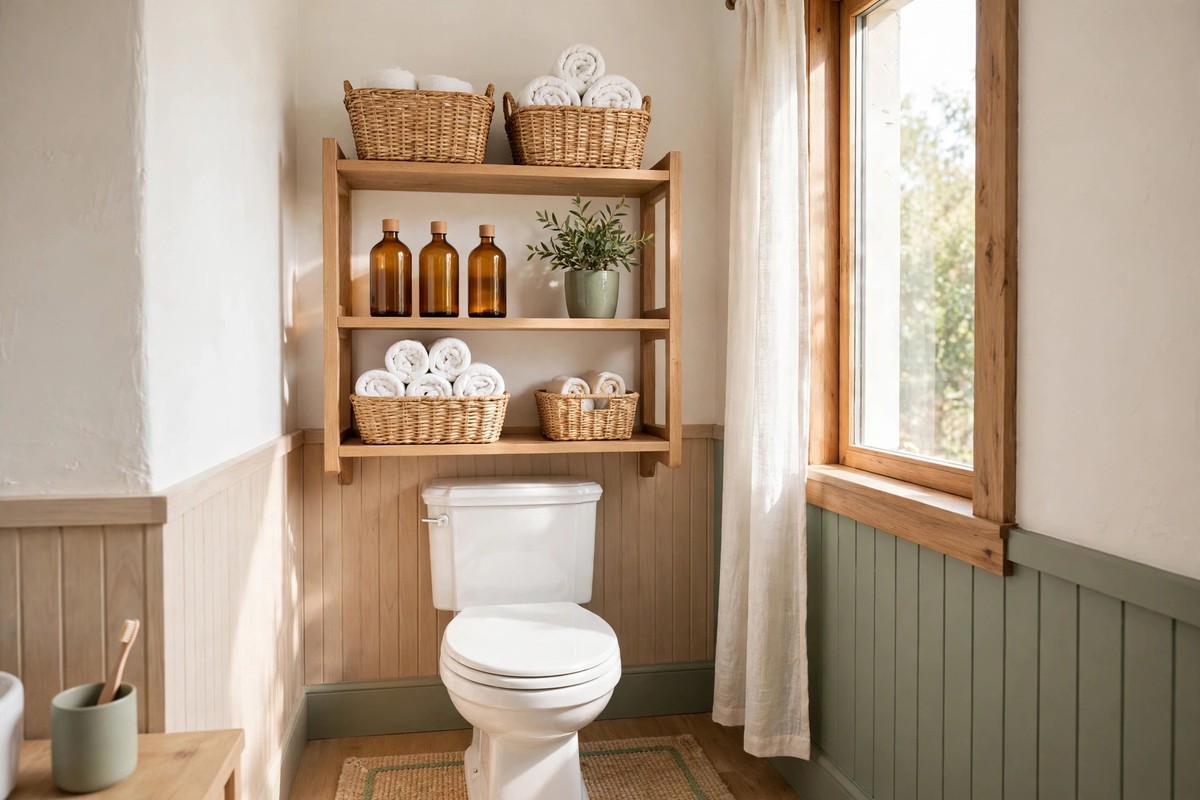
Think twice about the bathroom. Steam and heat build up fast in a small bathroom. Many labels advise storing medicine in a cool, dry place away from moisture. If a label says that, follow it and pick a dry spot outside the bathroom. Keep only items like bandages in the humid room.
2. Sort Everything Into Four Clear Groups
Group 1: Daily medicine. Prescriptions and daily vitamins go in one bin or tray, separate from shared supplies. This keeps doses clear.
Group 2: First aid supplies. Bandages in a few sizes, gauze pads, adhesive tape, antiseptic wipes, tweezers, and small scissors belong together. A basic set should cover cuts, scrapes, splinters, and minor burns.
Group 3: Occasional medicine. Pain relief, allergy tablets, cold medicine, and stomach remedies form their own group. Keep them in a separate bin, since they are the most likely to expire unnoticed.
Group 4: Extras and backups. Spare thermometer batteries, backup ointment, and refill packs go at the back of the shelf. Keeping backups separate stops the main bins from overflowing.
3. Choose Containers That Fit Small Spaces
Use small, clear bins. Clear bins about 8 by 5 by 3 inches show contents at a glance and line up neatly in a drawer or on a shelf. Assign one bin per group from the sorting step.
Add a compartment box for first aid. A divided box, roughly 9 by 6 inches, keeps bandages sorted by size and stops small items from scattering. A snap lid keeps the kit clean and portable.
Try drawer trays for shallow spaces. If the spot is a drawer under 4 inches deep, flat trays work better than bins. They keep bottles upright and visible in one layer. Measure the drawer before buying.
4. Make First Aid and Medicine Storage Easy to Read
Label every bin and tray. Use plain labels with large, clear words, such as Daily, First Aid, or Cold and Allergy, on the front of each container. Waterproof labels hold up better if a bottle leaks or hands are wet.
Arrange by how often items are used. Place daily medicine and the first aid box at the front, at waist to eye level for adults. Occasional medicine goes behind them, and backups go highest or deepest.
Keep original packaging when possible. Original boxes and bottles carry dosage details, warnings, and expiry dates. If a blister pack must leave its box, write the name and expiry date on a label for the pack. Never store loose, unmarked tablets in a bin.
5. Store Safely, Especially Around Kids
Lock medicine away from children. In homes with young kids, medicine belongs in a lockable box or latched cabinet. Child-resistant caps help, but they are not childproof, so caps alone are not enough.
Keep the system out of easy reach. If no lockable option fits, use a high shelf a child cannot climb to, ideally above 60 inches. Never leave medicine on a nightstand, counter, or in a handbag on the floor, where small hands can reach it.
Separate adult, child, and pet supplies. Give each its own labeled bin or shelf section. Doses and products can look very similar, and clear separation lowers the chance of a mix-up when someone is tired or unwell.
6. Check Dates and Restock Twice a Year
Set two check dates. Pick two easy dates, such as the weekends when clocks change, and check every expiry date. The full check takes about 15 minutes. Remove expired items, note replacements, and wipe the bins.
Dispose of expired medicine safely. Many pharmacies and police stations offer drug take-back boxes, the safest option for most products. Do not share leftover prescription medicine with anyone else.
Keep a short restock list. Tape a small list inside the cabinet door or on the first aid box lid. A basic list covers bandages, wipes, pain relief, allergy tablets, and thermometer batteries.
What to Buy
Small lockable medicine box. Pro: keeps medicine secure from kids while staying compact and portable. Pro: fits on a shelf about 10 inches wide. Con: skip if many large bottles must fit, since compact boxes fill fast. Typically $15–$30.
Compartment first aid kit box. Pro: divided sections keep bandages and tools sorted and visible. Pro: a snap lid makes the kit easy to carry. Con: skip if a full kit is already owned and organized. Typically $12–$22.
Small clear bins, multipack. Pro: clear sides show contents fast, and matching sizes stack neatly. Pro: one bin per group makes the system simple to keep. Con: skip if shelf depth is under 6 inches. Typically $18–$28.
Acrylic drawer organizer trays. Pro: ideal for shallow drawers where bins are too tall. Pro: smooth surfaces wipe clean after a spill. Con: skip if supplies sit on an open shelf, since trays have no lids. Typically $15–$25.
Waterproof labels. Pro: stay readable after leaks, wet hands, and cleaning. Pro: one pack usually covers every bin, box, and tray. Con: skip if a label maker is already owned, since printed tape does the same job. Typically $8–$15.
Pro Tips
- Take a phone photo of the finished system, so the same layout is easy to rebuild after a clean or a move.
- Store a small flashlight with the first aid box. Cuts and splinters are easier to treat with good light.
- Write emergency and poison control numbers on a card and tape it inside the cabinet door.
- After any illness, do a five-minute tidy and restock wipes and medicine before the bins go back.
Frequently Asked Questions
How do I store medicine if my only cabinet is in the bathroom?
Check each label first. If a product must stay cool and dry, move it to a lockable box in a bedroom or linen closet. Bandages and tools handle humidity with less concern.
How often should I check expiry dates?
Twice a year is a good rhythm for most households. Tie the check to a clock-change weekend or the start of a season. It takes about 15 minutes and should cover medicine, ointment, wipes, and dressings.
What should I do with expired or unused medicine?
A drug take-back program is the safest first choice, and many pharmacies host collection boxes year-round. If none is nearby, follow the directions on the label or ask a pharmacist. Keep expired items locked away until disposal day, out of reach of kids and pets.
How can I keep medicine safe when space is very tight?
Use height and locks rather than floor space. One lockable box on a high closet shelf can hold all medicine for a small household. Keep first aid in a separate unlocked box lower down.
A safe system needs just one spot, clear groups, and labels anyone can read. Set it up once, then let the twice-a-year check keep it ready. Save this post to your home organization board on Pinterest for later, so the checklist is handy at your next reset.