Clothes can sit in storage for 3 to 6 months, so small packing errors have plenty of time to turn into musty smells, deep wrinkles, stretched knits, and pest damage. Most seasonal clothing storage mistakes happen before the bin is even closed, during washing, choosing a container, or picking a storage spot.
The good news is that every mistake below has a simple fix that takes only a few extra minutes. Work through the list while packing one category at a time, such as coats first, then sweaters, then shoes, and label each container before moving to the next group.
1. Seasonal Clothing Storage Mistakes That Start Before Packing
Mistake 1: Storing clothes unwashed. Even clothes that look clean can hold body oil, deodorant, and food residue that set into stains and attract pests over months. Instead, wash or dry-clean everything first, following the care label, and allow a full day for the load to finish before packing day.
Mistake 2: Packing clothes while they are still damp. Slight dampness trapped in a closed bin can lead to a musty smell and mildew spots. Instead, dry items fully, then leave them out in open air for 2 to 3 hours before sealing any bag or container.
Mistake 3: Keeping items that are broken, stained, or the wrong size. Storing clutter wastes prime bin space and means the same unwanted items get packed and unpacked every year. Instead, sort first into keep, repair, and donate piles, and set a 2-week deadline for repairs before the item earns storage space.
Mistake 4: Leaving clothes in dry-cleaner plastic bags. Thin plastic can trap moisture and is not made for months of storage. Instead, remove the bags as soon as clothes come home, air items for a few hours, then fold or hang them in fabric storage.
2. Container and Packing Mistakes That Cause Damage
Mistake 5: Using cardboard boxes for long storage. Cardboard absorbs moisture, weakens over time, and gives pests an easy way in. Instead, use lidded plastic bins or zippered fabric bags for storage longer than a few weeks, and save cardboard only for short moves.
Mistake 6: Vacuum-sealing every fabric. Vacuum bags work well for bulky cotton and synthetic items, but tight compression for months can damage leather, flatten down filling, and stress delicate fibers. Instead, reserve vacuum bags for items such as T-shirts, jeans, and fleece, and store wool, leather, and down in breathable bags with room to spare.
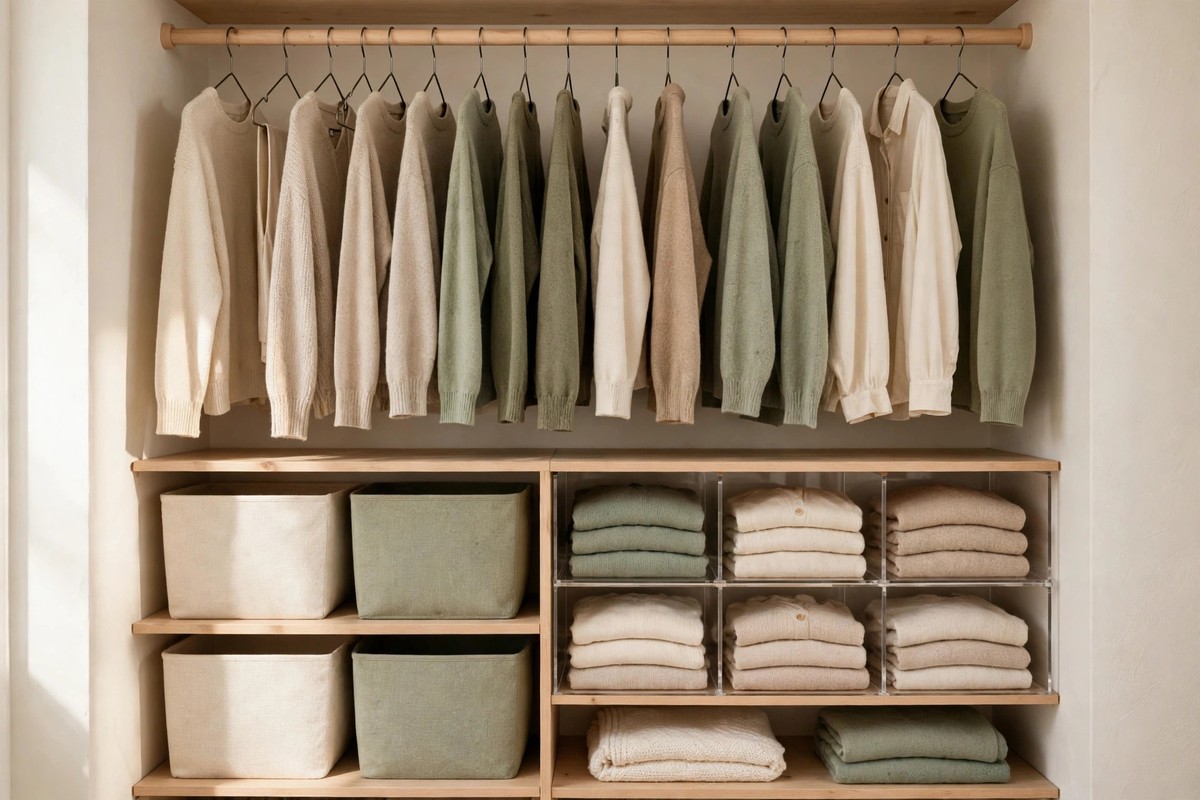
Mistake 7: Hanging heavy sweaters and knits. Weight pulls on the shoulders of a hanger, and after months a sweater can come out stretched and misshapen. Instead, fold knits flat in stacks of 3 to 4, and hang only structured items such as coats and blazers on wide, sturdy hangers.
Mistake 8: Overstuffing bins until the lid strains. Packed-too-tight containers crush folds into sharp creases and leave no air gap for the lid to seal well. Instead, fill bins to about 80 percent, roll soft items to fill gaps, and if the lid needs force, move a few items to a second container.
3. Seasonal Clothing Storage Mistakes Around Place and Upkeep
Mistake 9: Storing bins in a hot attic or damp basement corner. Big swings in heat and humidity are hard on fabric, elastic, and glue on shoes. Instead, choose an indoor spot first, such as under a bed, a closet top shelf, or a spare-room corner, and keep bins at least 2 inches off a concrete floor.
Mistake 10: Skipping labels and a simple inventory. Unlabeled bins mean every container gets opened during the search for one coat, which is slow and messy. Instead, label each bin on two sides with the category and size range, such as Winter sweaters, medium, and keep a short list on a phone for the whole set.
Mistake 11: Never checking stored clothes until next season. A small leak, pest problem, or crushed bin can go unnoticed for 6 months. Instead, set a quick check every 6 to 8 weeks: open one lid, look for moisture or pests, and confirm lids are still sealed and stacks are not collapsing.
What to Buy
Vacuum storage bags, multi-pack shrink bulky cotton, fleece, and synthetic items to a fraction of their size, which helps in very small closets. The con is compression damage on delicate fabrics, so skip them for leather, wool, and down. Typically $20–$35.
90L under-bed storage containers use flat, hidden space and hold a full season of folded clothes in one large container that slides out easily. Skip if bed clearance is under about 6 inches, since the container will not fit. Typically $20–$28.
Zippered linen storage bags, 3-pack give wool, cashmere, and other natural fibers breathable protection that plastic cannot offer. The trade-off is less protection from water, so keep them indoors and off damp floors. Typically $18–$28.
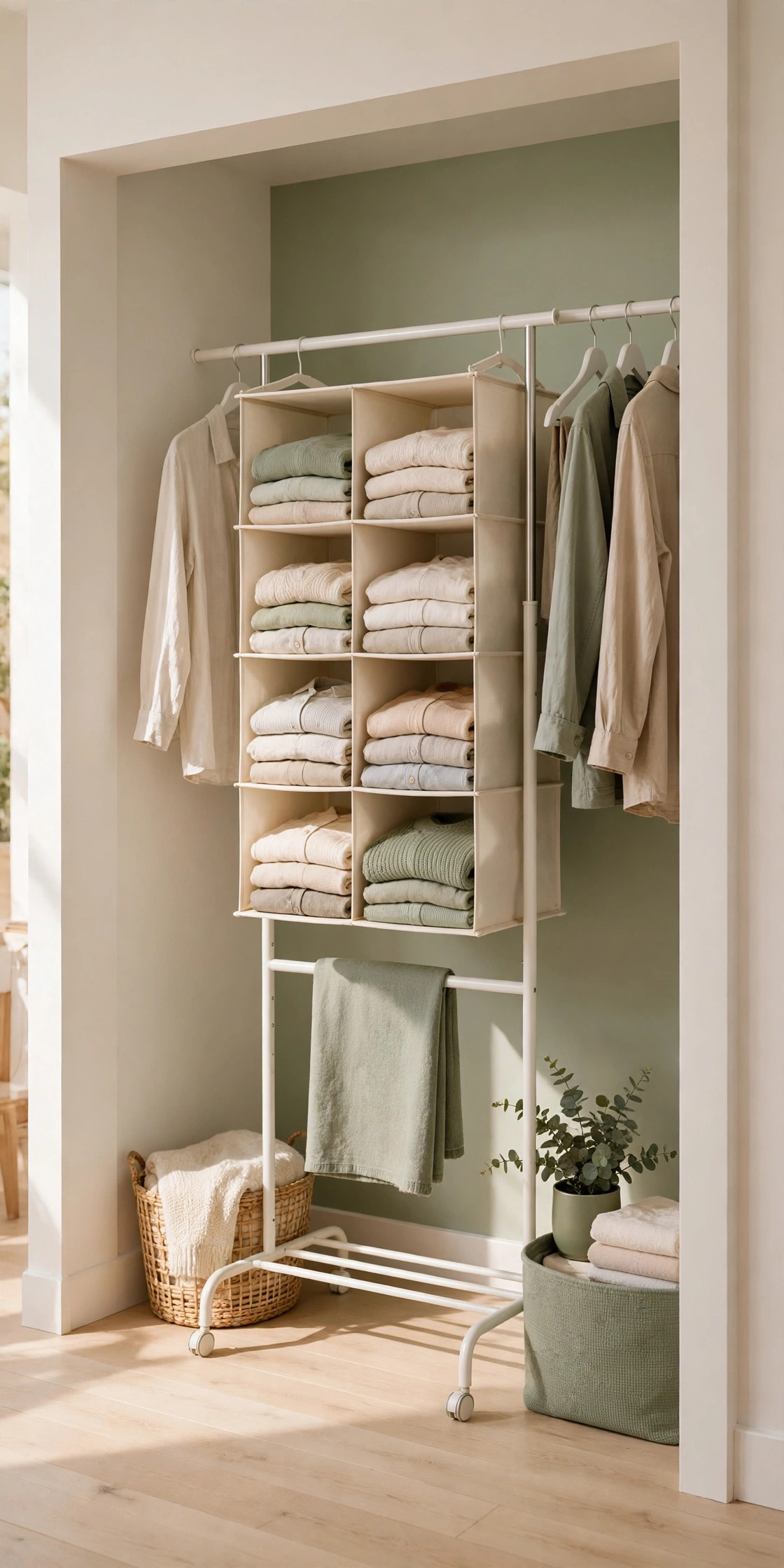
Space-saving cascade hangers hold several garments vertically in one rod slot, which suits lighter off-season shirts kept hanging in a spare closet. Skip if most items are heavy coats, since the added weight can strain a single hook. Typically $10–$18.
Fabric folding bins keep folded seasonal categories neat on closet shelves and stack better than loose piles. The downside is soft sides with no hard protection, so they suit indoor closets rather than garages. Typically $20–$30.
Pro Tips
- Pack by category, not by outfit, so next season starts with full groups that are easy to count and hang.
- Place the heaviest items at the bottom of each bin and the lightest on top to reduce crush creases.
- Add a dryer sheet or cedar block only to clean, fully dry clothes, and keep scented items away from delicate fabric.
- Photograph the contents of each bin before sealing it, which makes the phone inventory take under 5 minutes.
- Leave one easy-access bin for shoulder-season items, such as light jackets, instead of sealing everything away.
Frequently Asked Questions
When is the best time to switch seasonal clothing?
Switch when daily temperatures stay on one side of about 55 to 60 degrees for roughly 2 weeks. Keep a small transition bin of layers out for another month, since early and late season weather often swings back.
How long can clothes stay in vacuum storage bags?
For sturdy cotton and synthetic items, 3 to 6 months is a common storage window. Take items out, air them for a few hours, and refold at a different crease line if they need to go back in, which helps prevent set wrinkles.
What is the best container for wool sweaters?
A breathable zippered fabric bag or a lidded bin with folded stacks of 3 to 4 sweaters works well. Avoid tight vacuum compression and hanging, since both can distort knit fibers over a full season.
How can stored clothes be kept from smelling musty?
Start with clothes that are clean and fully dry, store them indoors away from damp walls, and open containers for a quick air check every 6 to 8 weeks. A musty smell at unpacking usually traces back to moisture packed in at the start.
Seasonal storage works when clothes go in clean and dry, sit in the right container for the fabric, and rest in a stable indoor spot until they are needed again. Work through the 11 fixes one category at a time, and the next swap will take half as long. Save this post to your seasonal storage board on Pinterest for later, so the checklist is handy at every season change.